The Pros and Cons of Climate-Controlled vs. Non-Climate Storage
April 18, 2025
The Pros and Cons of Climate-Controlled vs. Non-Climate Storage
When it comes to choosing a self-storage unit, one of the biggest decisions you’ll make is whether to go with climate-controlled or non-climate storage. The right choice depends on what you’re storing, how long you’ll store it, and how important protection from heat, cold, and humidity is.
Let’s break down the key differences, pros, and cons so you can feel confident in your decision.
🔥 What Is Climate-Controlled Storage?
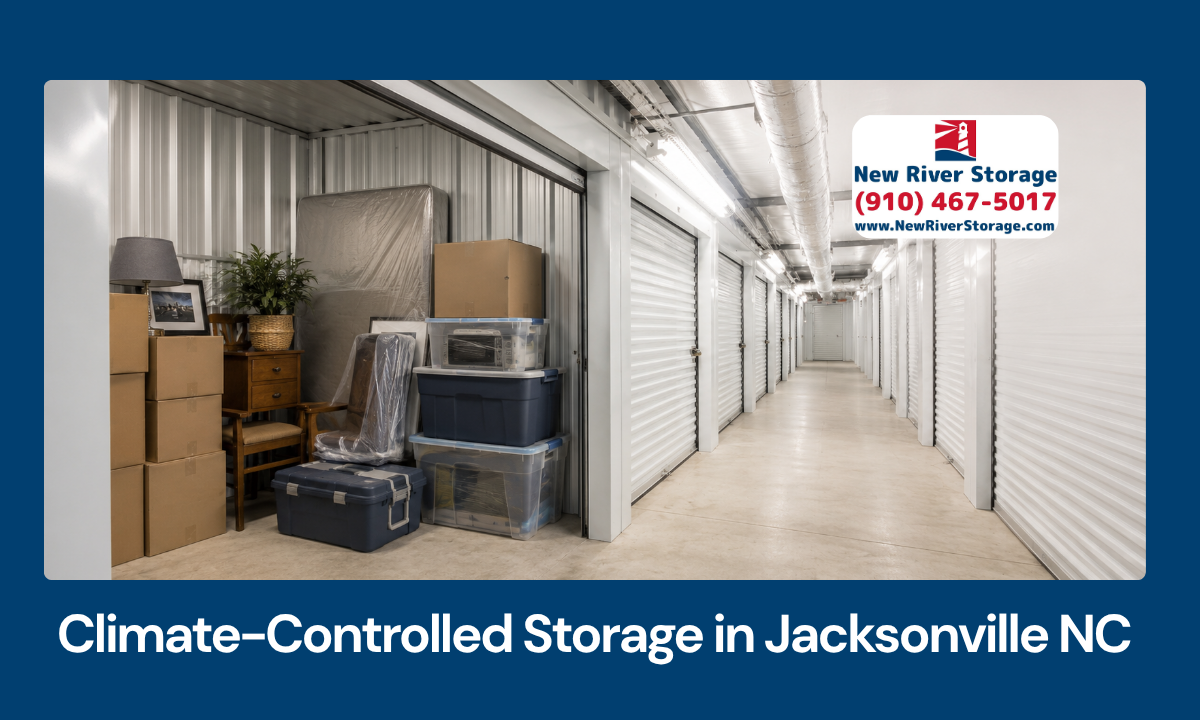
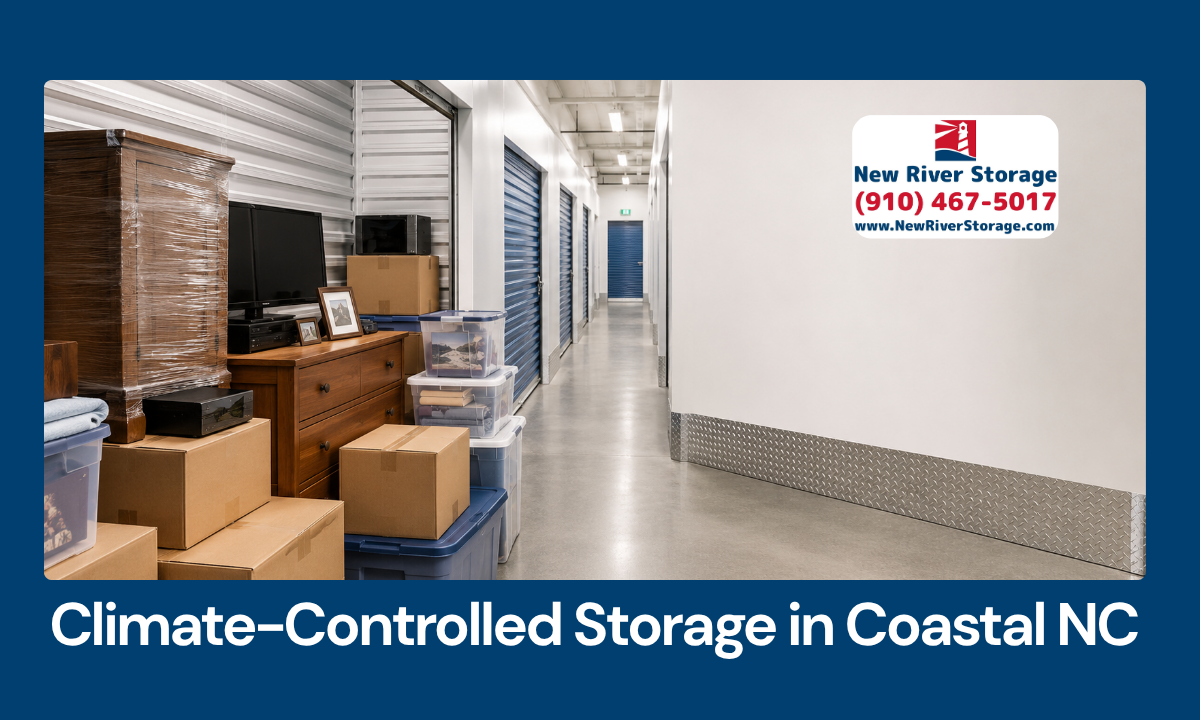
Climate-controlled storage maintains a consistent temperature and humidity level , usually between 55–85°F, to protect items that are sensitive to extreme conditions.
These units are usually located indoors and offer an extra layer of protection for more delicate belongings.
❄️ What Is Non-Climate Storage?
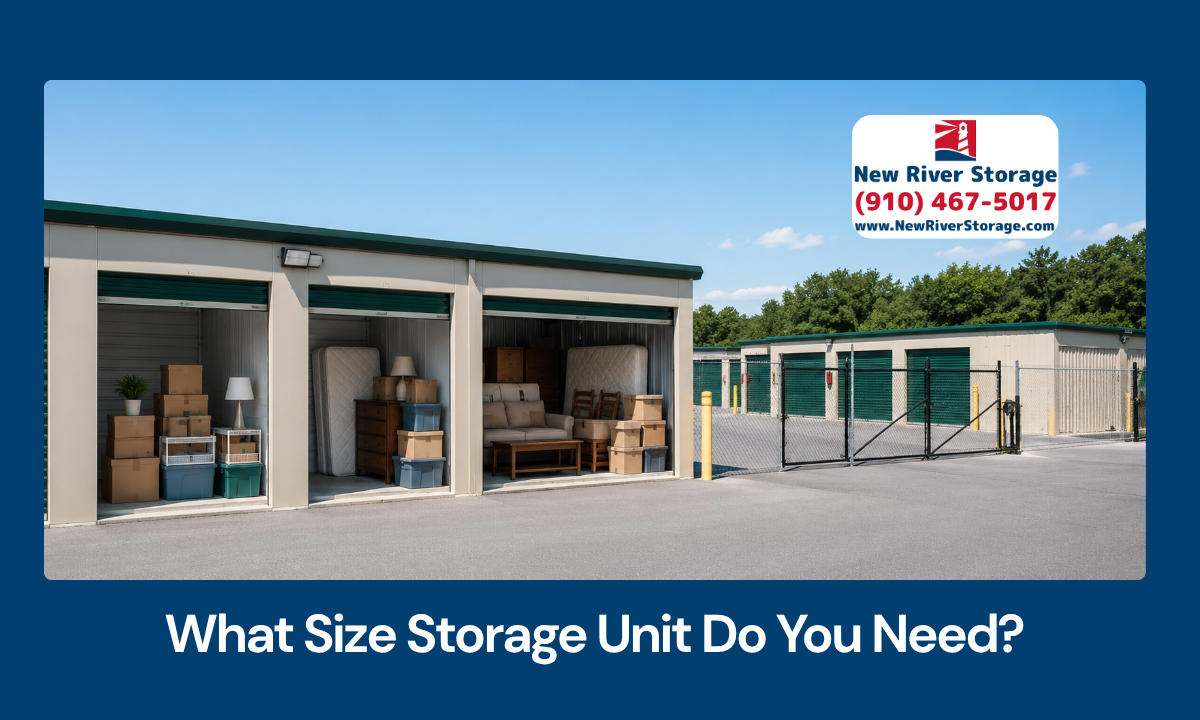
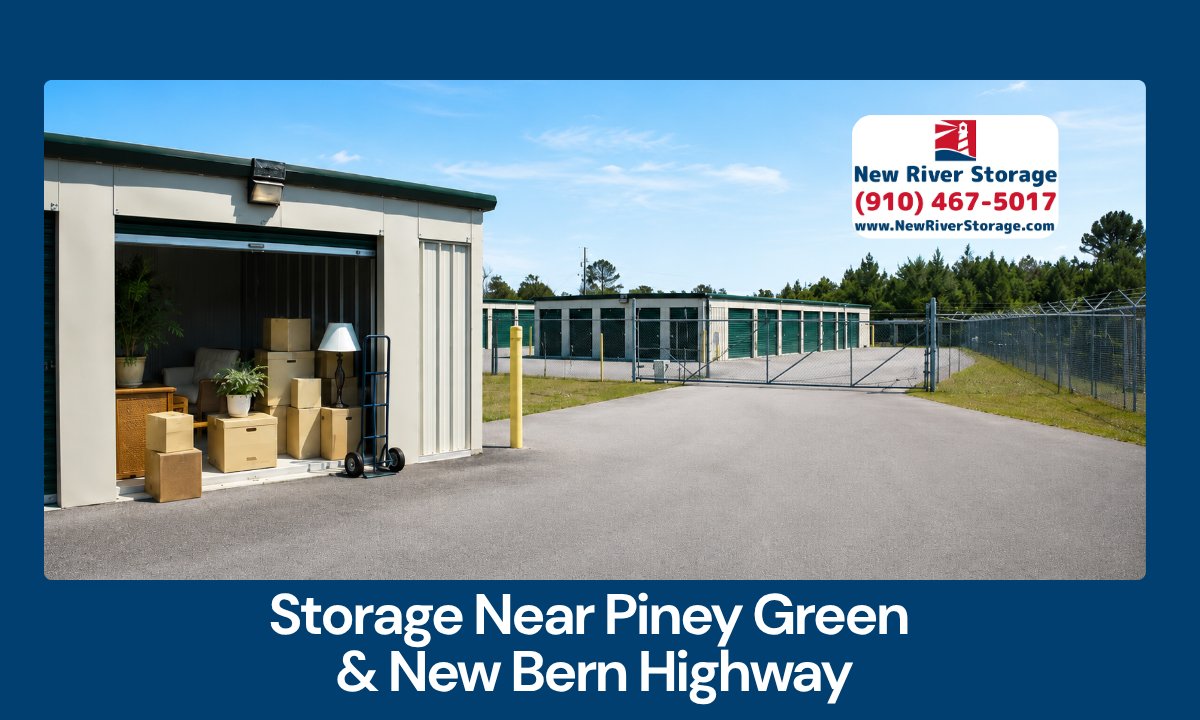
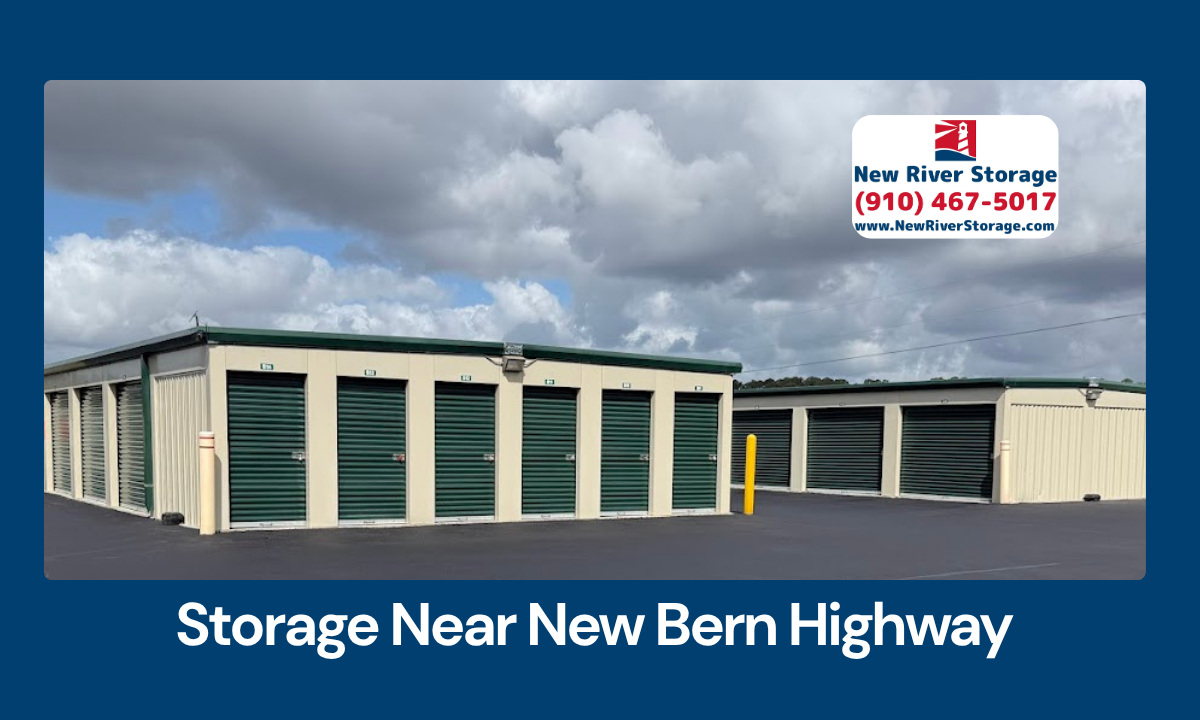
Non-climate-controlled storage units are typically garage-style outdoor units without temperature or humidity regulation. They are great for sturdy items that won’t be affected by seasonal changes.
✅ Pros of Climate-Controlled Storage
✔️ Protects temperature-sensitive items:
Great for electronics, antiques, musical instruments, artwork, and important documents.
✔️ Humidity control prevents mold and mildew:
Essential for clothing, mattresses, wood furniture, and paper goods.
✔️ Cleaner environment:
Units are typically indoors with less exposure to dust and outdoor pests.
✔️ Peace of mind:
Know your valuables are shielded from temperature extremes.
⚠️ Cons of Climate-Controlled Storage
❌ Higher cost:
Climate control is more expensive than non-climate units.
❌ May not be available at all facilities:
Some properties only offer outdoor or non-climate units.
❌ Slightly less convenient:
Units are often inside buildings, which may involve longer walks or hallway access.
✅ Pros of Non-Climate Storage
✔️ Budget-friendly:
Great option if you’re storing sturdy items and want to save money.
✔️ Easier access:
Many outdoor units offer drive-up convenience for fast loading/unloading.
✔️ Good for short-term storage:
Ideal for storing things like garden tools, patio furniture, or moving boxes.
⚠️ Cons of Non-Climate Storage
❌ No temperature regulation:
Items can be exposed to extreme heat, cold, or humidity.
❌ Risk of damage to sensitive items:
Not ideal for wooden furniture, photos, electronics, or anything moisture-sensitive.
❌ Less clean:
Outdoor units are more exposed to dust, pests, and weather elements.
🏆 What Should You Store in Climate-Controlled Units?
-
Wooden or leather furniture
-
Electronics and appliances
-
Photos and documents
-
Clothing or fabrics
-
Musical instruments
-
Collectibles or antiques
-
Medical supplies
🧱 What’s Safe in Non-Climate Storage?
-
Lawn equipment and tools
-
Plastic storage bins
-
Metal furniture
-
Patio furniture
-
Non-sensitive household goods
-
Seasonal decorations
🌟 Final Thoughts: Which One is Right for You?
Ask yourself:
✔️ How valuable or fragile are my items?
✔️ How long will I be storing them?
✔️ Do I live in an area with extreme weather or humidity?
If your items are delicate, expensive, or stored long-term, climate control is worth the extra investment. For durable or short-term items, non-climate storage is a great budget-friendly choice.
🏠 Storage Options That Fit Your Life
At New River , we offer both climate-controlled and non-climate options at select locations.
✅ Affordable pricing
✅ Clean, secure facilities
✅ Expert help if you’re unsure what you need