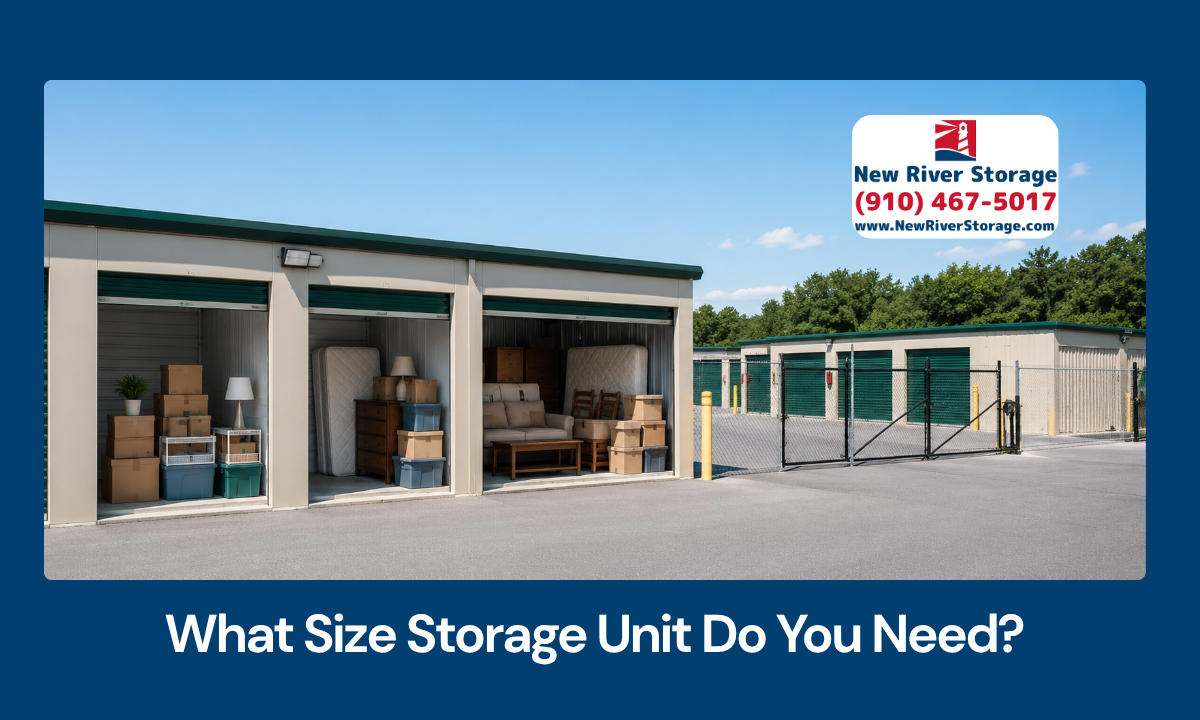
A Guide to Storing Furniture Long-Term
July 25, 2024
A Guide to Storing Furniture Long-Term
Storing furniture long-term requires more preparation than simply placing items inside a storage unit. Without proper protection, furniture can become scratched, warped, or damaged over time.
Whether you are storing furniture during a move, holding onto pieces for the future, or protecting items that are not currently in use, taking a few extra steps can help keep your furniture in excellent condition.
Here are some important tips to follow when preparing furniture for long-term storage.
Clean Everything Before Storing
Before placing any furniture in storage, it should be thoroughly cleaned. Dust, dirt, and moisture can cause damage over time if left untreated.
- Wipe down wood surfaces with a gentle cleaner.
- Vacuum upholstered furniture to remove dust and debris.
- Clean metal or plastic pieces to prevent corrosion or staining.
Allow all furniture to dry completely before storing it to avoid trapping moisture.
Disassemble Large Pieces When Possible
Large furniture pieces often store better when partially disassembled.
Removing table legs, bed frames, or detachable components can:
- Prevent unnecessary strain on joints
- Reduce the amount of space required
- Make items easier to transport
Keep all hardware, screws, and bolts in labeled bags so reassembly is simple later.
Protect Furniture with Proper Coverings
Furniture should always be covered before going into storage.
Use breathable materials such as:
- Furniture blankets
- Cotton sheets
- Protective moving pads
Avoid wrapping furniture tightly in plastic for long periods, as it can trap moisture and lead to mildew or damage.
Keep Furniture Elevated
Whenever possible, keep furniture off the storage unit floor.
Using pallets, wooden boards, or shelving helps protect furniture from potential moisture and improves airflow. Elevating items also makes it easier to organize your storage unit.
Leave Room for Airflow
Furniture should not be packed tightly together.
Leaving small gaps between items allows air to circulate throughout the unit and helps prevent trapped humidity from damaging materials.
Proper spacing also reduces pressure on furniture surfaces and upholstery.
Store Items Strategically
When organizing your storage unit, place heavier and sturdier items toward the back or along the walls.
More delicate furniture or frequently accessed pieces should remain closer to the front. Stack boxes carefully and avoid placing heavy objects directly on upholstered furniture.
Planning the layout of your unit before loading items can make a big difference.
Check on Your Storage Periodically
If possible, visit your storage unit occasionally to ensure everything remains in good condition.
Checking on stored items allows you to confirm coverings remain secure, airflow is adequate, and nothing has shifted.
Regular inspections can prevent small issues from becoming larger problems.
Protecting Your Furniture for the Future
Furniture often holds both financial and sentimental value. Taking the time to prepare items properly before storing them can help ensure they remain in excellent condition for years to come.
With careful cleaning, protective coverings, and thoughtful organization, long-term furniture storage can be safe, efficient, and worry-free.